Prismqi
Light work.
A natively unified creative suite. Photography, design, and video —one substrate, refracted into three studios.
Get to know Prismqi.
The highlights, at a glance.
One substrate.
One engine refracted into every studio. Nothing is ported, because nothing is separate.
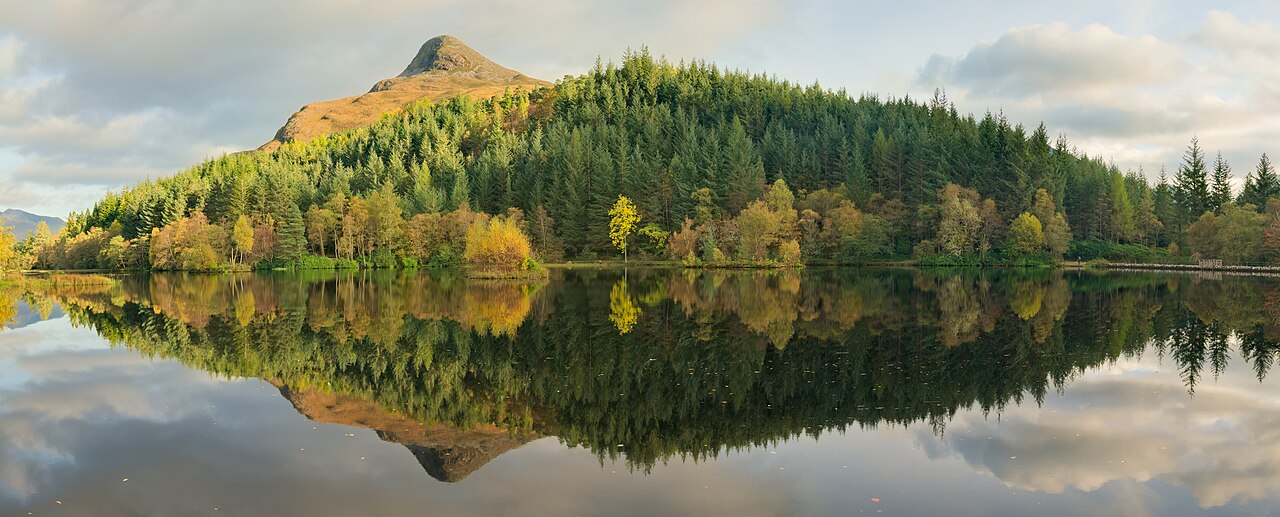
Photo, first.
Ingest, cull, develop, catalog, export — the whole loop, deterministically.
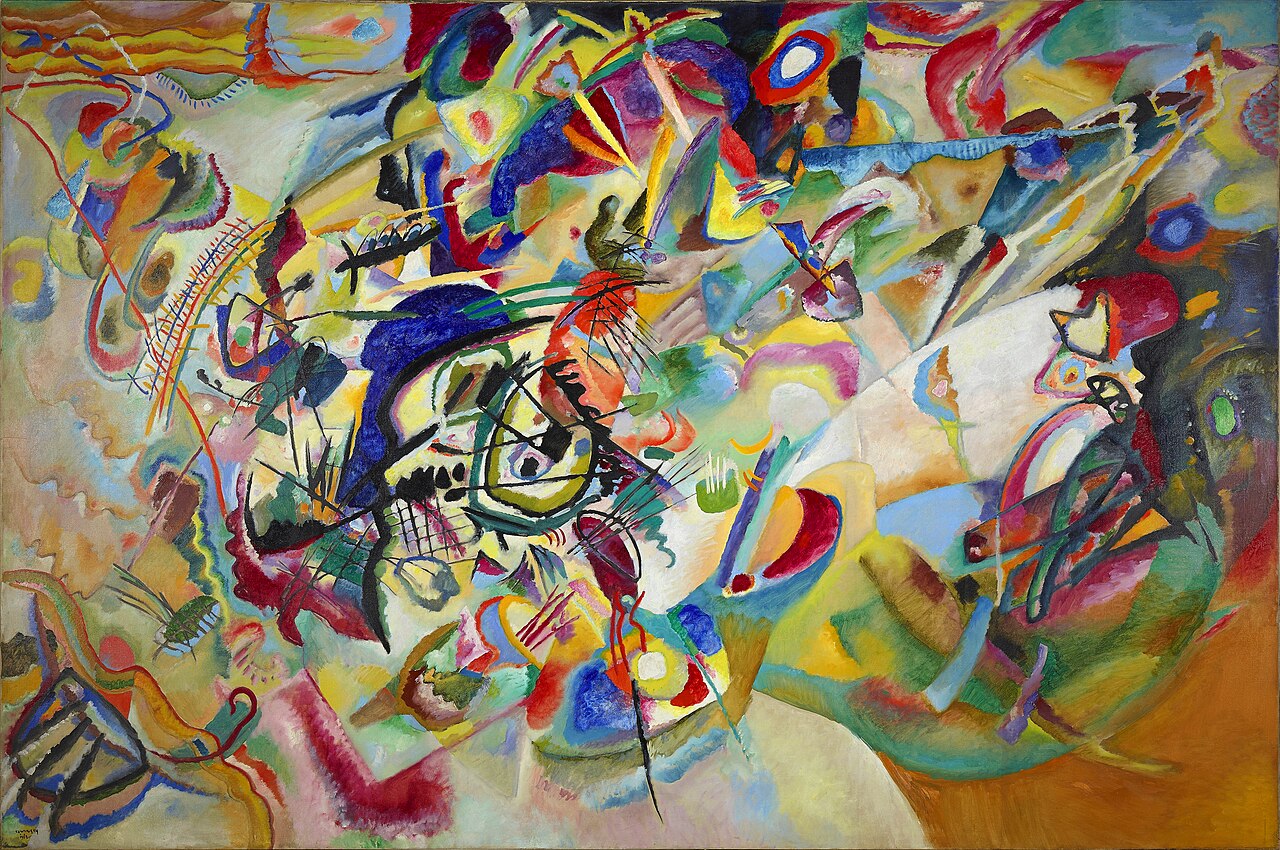
Design, next.
Vector, pixel, and text in one document. Retouch inside the layout.
Publish, too.
Master pages, flowing text, long documents — layout as a first-class citizen, not a third app.
Video, last.
Cut, grade, and deliver on the timeline view of the same graph.
Deterministic.
Same project, same pixels, on every machine, forever.
Open format.
Published, documented, versioned. Your work is never trapped.
The suite tax
Your tools don't talk. They take turns.
Every suite on the market is separate programs welded together at the file format. The seams are where work goes to die.
The handoff tax.
Moving a photo into the layout is an export, a re-import, and a prayer. Every trip between apps is a trip you pay for.
The render drift.
The same project produces different pixels on different machines — and no tool can tell you why.
The lock-in.
Opaque project files that only one application, on one license, from one company, can read.
The switching cost.
A still, a design, and a cut means three apps, three mental models, three sets of muscle memory.
Get to know the engine
Everything was one beam all along.
A prism doesn't create color. It reveals it. Prismqi runs every discipline on one document model, one evaluation graph, one cache, one color core.
Document.
The project is a database with full history. Time-travel, branch, and merge your work like code.
Graph.
Every edit is a node in one evaluation graph. A still is a one-frame sequence; a layer is a projection.
Cache.
Content-addressed from the ground up. Rendering is incremental — only what changed gets computed, ever.
Color.
Scene-linear at the core, display transforms only at the edge. Every pixel color-managed by construction.
The studios
Three rooms. One house.
Each studio is the same engine wearing different tools.Nothing is ported, because nothing is separate.
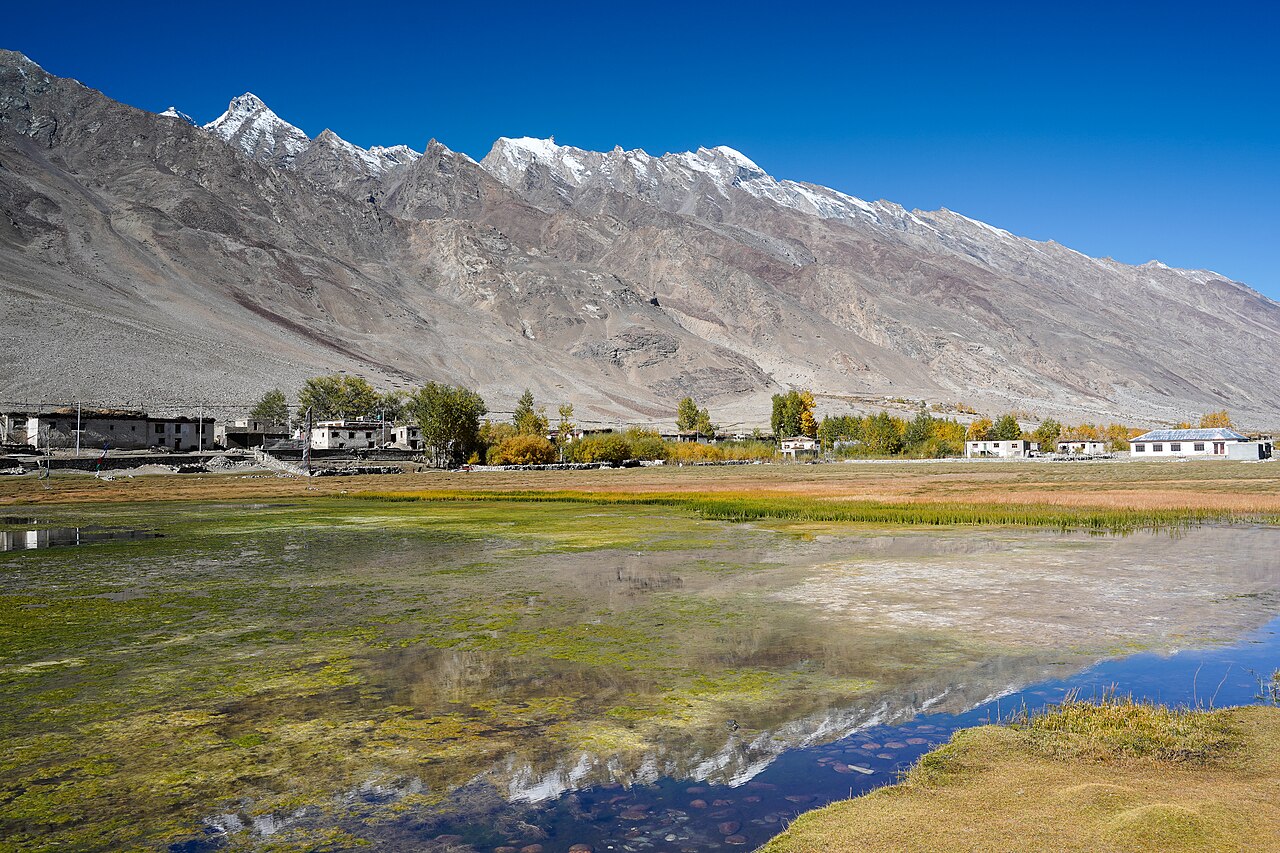
Studio 01 — ships first
Photo
The negative was never the photograph.
A photographer's whole loop on one graph: ingest, cull, develop, catalog, export. A fully reorderable, non-destructive stack — the same grading nodes the edit bay uses — with scopes, local adjustments, and deterministic output.
Catalog, cull, develop, export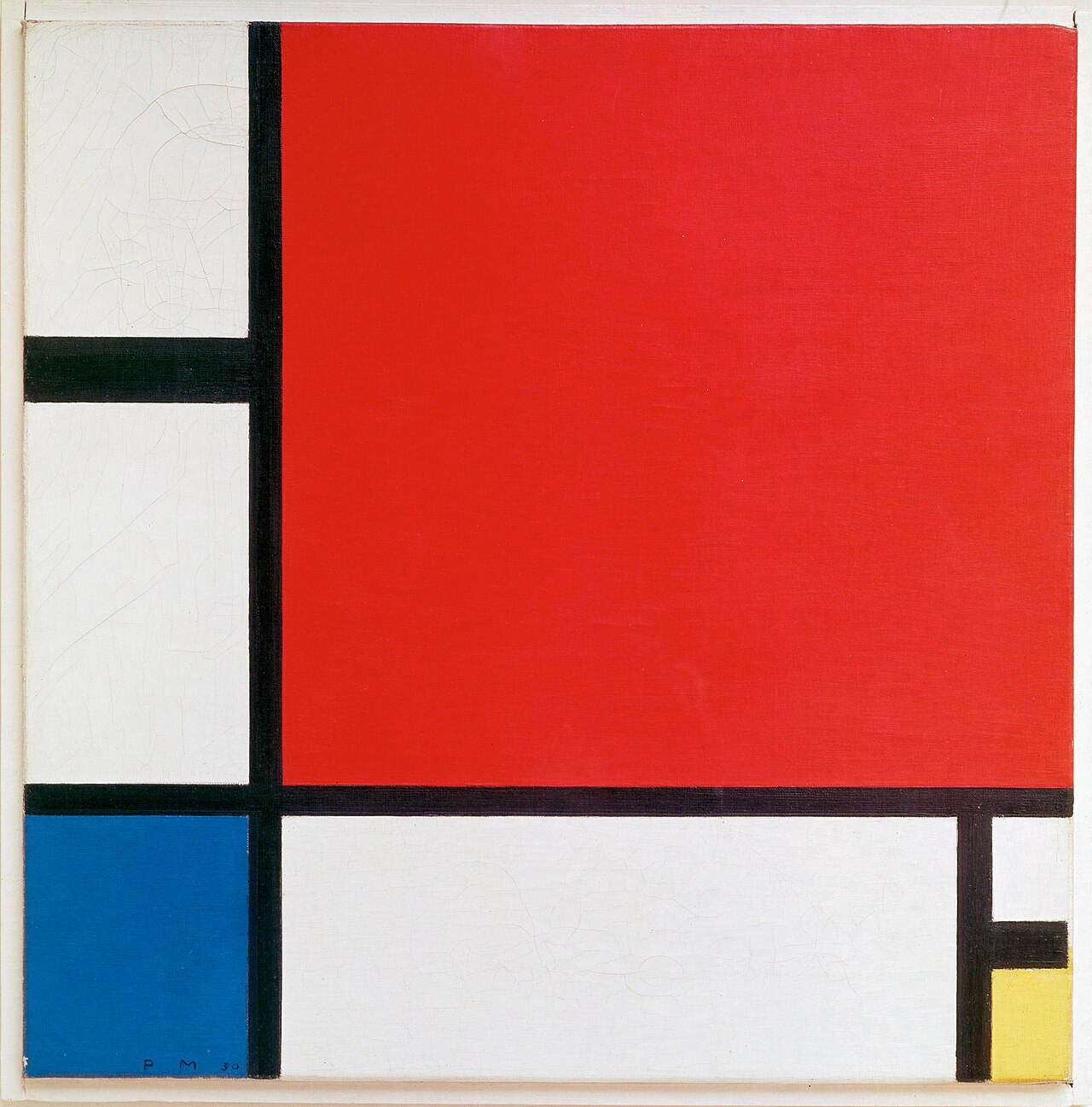
Studio 02
Design
Vector, pixel, and text in one coordinate space.
Brand work, layouts, retouching — with layers that are projections of the same graph. Retouch the photographinside the layout document, because there is no other app to switch to.
Vector + pixel + textStudio 03
Video
One graph, timed.
Cut, grade, and deliver on the timeline view of the same engine. The grade you built for a still applies to a clip unchanged — a still was always a one-frame sequence.
Edit, color, deliverDeterminism
Same project. Same pixels. Forever.
The same project renders bit-identically on every machine, every GPU, every re-open. Previews don't lie. Archives don't drift.
Open format. Open API.
Your work outlives the app.
The project format is published, documented, and versioned.Your media is never trapped inside the product — and the automation surface is the same one we build with.
Open format.
Readable, diffable, and renderable with or without us. Closed application, open work.
Agent-native.
One API boundary: what first-party features use is what scripts, plugins, and agents use.
Local-first.
No accounts. No telemetry. No cloud dependency. Offline because it lives offline.
Questions